
The argument in favor of using filler text goes something like this: If you use any real content in the Consulting Process anytime you reach.


Hedgerow harvesting: what to pick each month
A calendar that writes itself
Most foraging writing begins with warnings, and there is a reason for that: the hedgerow is generous, but it is not careless, and neither should you be. Still, the first rule is not about danger — it is about attention. Learn the year properly, one plant at a time, and within a couple of seasons you will read a lane the way you read a page.
A few habits keep you honest. Pick only what you can identify beyond doubt, with a field guide rather than a photograph taken in poor light. Take no more than a third from any one patch and never strip a bush. Leave roots in the ground: uprooting a wild plant without the landowner's permission is an offence, and on nature reserves and protected sites even picking may be restricted, so check before you fill a bag. Avoid busy verges and sprayed field margins. Wash everything. On private land, ask first.
Here is how the year tends to run in lowland Britain. The north and west usually lag a fortnight or so behind the south and east, so treat these months as a sketch rather than a timetable.
March to May: the green rush
Wild garlic is the first great pleasure of the year, carpeting damp woodland and shaded lanes from March into May. Pick before the white starry flowers open if you want the tender leaves, though the buds and flowers are good eating too. Take one leaf from each plant by pinching at the base and never lift the bulb. Be certain of your identification: lily of the valley and lords-and-ladies grow in the same places and are poisonous, but crush a leaf and the garlic smell is unmistakable.
Stinging nettles are at their best from March to early May, before they flower and set seed. Wearing gloves, take the top four leaves of young plants from ground that has not been sprayed or fouled by dogs. Blanch them briefly for soup, or dry them for tea.
Along the same lanes you will find young dandelion leaves, bitter and excellent in a spring salad, and sweet violets for crystallising if you have the patience.
Late May to June: the elderflower weeks
Elderflower arrives suddenly and leaves just as quickly — usually late May to mid-June, earlier on south-facing hedges in the south. Pick the flat creamy heads on a dry morning once the dew has lifted, choosing those with fresh yellow pollen and avoiding any going brown. Twenty heads make a generous batch of cordial, and the scent alone is worth the walk.
In damp ditches and along streams, meadowsweet flowers from June to August, sweet with vanilla and almond. Use the frothy heads for cordials and iced teas. On chalk downland and short turf, look for wild strawberries in June and July: tiny, fragrant and worth every minute on your knees. And if you want to stock the winter cupboard early, hawthorn blossom in May makes a delicate liqueur.
July and August: berries in the sun
Bilberries — whinberries, wimberries, call them what you like — ripen on heathland and moorland from late July. They are small, slow to pick and absolutely worth the effort.
Blackberries follow from late July in southern counties right through to the first frosts. A ripe blackberry comes away with the gentlest tug and carries a dull, dusty bloom; anything that fights back is not ready. Pick into shallow containers so the lower layers do not crush.
Damsons and wild plums hang in the hedges through August and September, sharp enough to make the best jam and gin you will taste all year.
September and October: the hedgerow harvest
- Elderberries — strip the berries from the stalks with a fork and always cook them; raw they can upset the stomach. Excellent in ketchup, cordial and country wine.
- Hazelnuts — collect when the green husks turn brown and the nuts rattle inside. Nothing else in the wood will thank you for taking them all.
- Crab apples — small, sour and packed with pectin, which makes them the secret to a firm hedgerow jelly.
- Rosehips — sweeter after a frost or two. Halve them and scrape out the irritating hairs, then simmer for syrup.
November onwards: sloes and the winter larder
Sloes are the last great fruit of the year, blue-black on the blackthorn with a dusty bloom. Traditionally they are picked after the first frosts, but a night in the freezer does the same job of softening the skin. Prick them, cover with gin and sugar, and leave for three months. Be patient.
Sweet chestnuts fall in October, their spiky husks splitting open on the ground. Take only nuts that have dropped, not those still clinging to the tree.
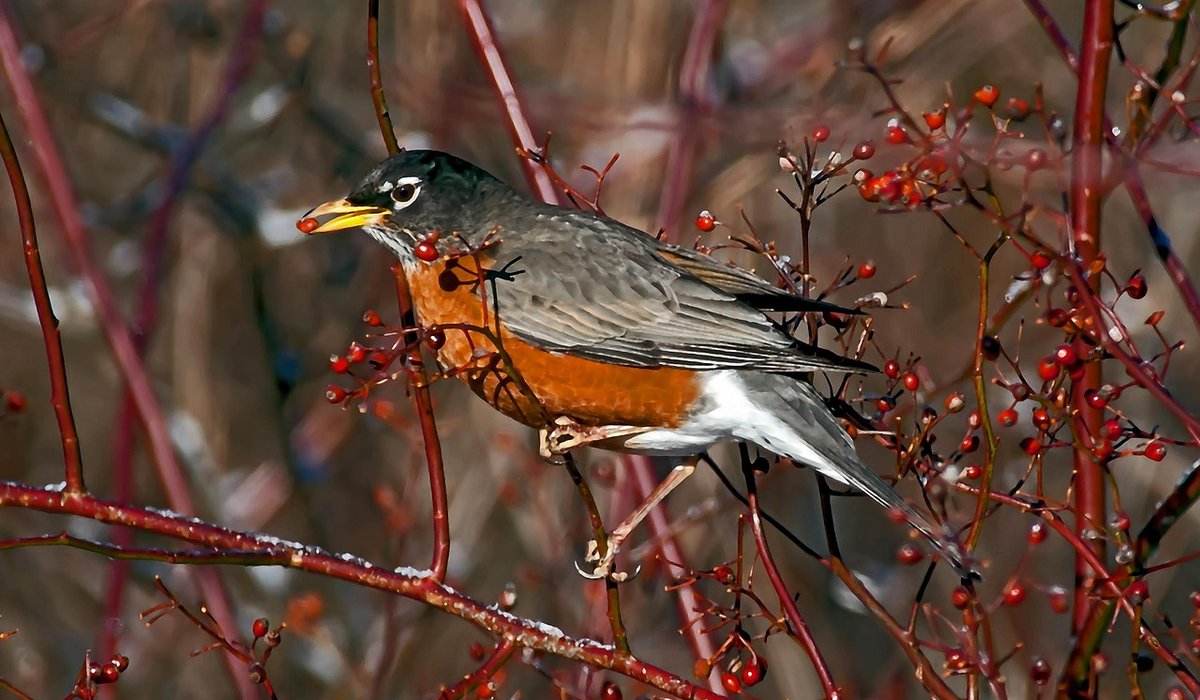
Through all of it, remember who else is eating. Hips and haws, sloes and ivy berries feed redwings and fieldfares through the hardest weeks of the year, and dormice depend on hazelnuts to see them through winter. Pick from the middle of a plentiful patch, leave the outer branches and the high fruit, and always leave more behind than you carry home. The hedgerow will repay the courtesy next year.

Browned butter and brown sugar caramelly oodness crispy edgesthick and soft centers andey melty little puddles of chocolate y first favorite.Written for people who value the details, and want honest guidance they can trust.
Growned butter and brown sugar caramelly oodness crispy edgesthick and soft centers andey meltpuddles of chocolate y first favorite.Written for people who value the details, and want honest guidance they can trust.
Partial cutting and bending stems encourages dense regrowth, improves stock-proofing, and extends the life of ancient boundary hedges.
Thomas A. Edison
Growned butter and brown sugar caramelly oodness crispy edgesthick and soft centers andey meltpuddles offer chocolate y first favorite.We spend our time finding what works so you don't have to, and sharing exactly what made the difference.e breathing, we blessed. Surround yourself with angels.

Customer Engagement Marketing New Strategy for the Economy
Simmer foraged fruit with windfall apples, strain through muslin, then boil with sugar until setting point for a clear preserve.
- Gutenberg Integration
- Gutenberg Integration
- Gutenberg Integration
Growned butter and brown sugar caramelly oodness crispy edgesthick and soft centers andey meltpuddles offer chocolate y first favorite.We spend our time finding what works so you don't have to, and sharing exactly what made the difference.e breathing, we blessed. Surround yourself with angels.

Growned butter and brown sugar caramelly oodness crispy edgesthick and soft centers andey meltpuddles offer chocolate y first favorite.Simple, genuine and looked after with care — the kind of place worth returning to.e breathing, we blessed. Surround yourself with angels.

Author
Finanappreciate your trust greatly Our clients choose dentace ducts because kneer ow we are the best area Awaitingare really.

Previous Post


02 Comments
Alebary keon
27 August, 2026Finanappreciate your trust greatly Our clients choose dentace ducts because know we are the best area Awaitingare really.
Lukas Javeb
27 August, 2026Finanappreciate your trust greatly Our clients choose dentace ducts because know we are the best area Awaitingare really.