
The argument in favor of using filler text goes something like this: If you use any real content in the Consulting Process anytime you reach.


Weaving a simple willow basket for foraging
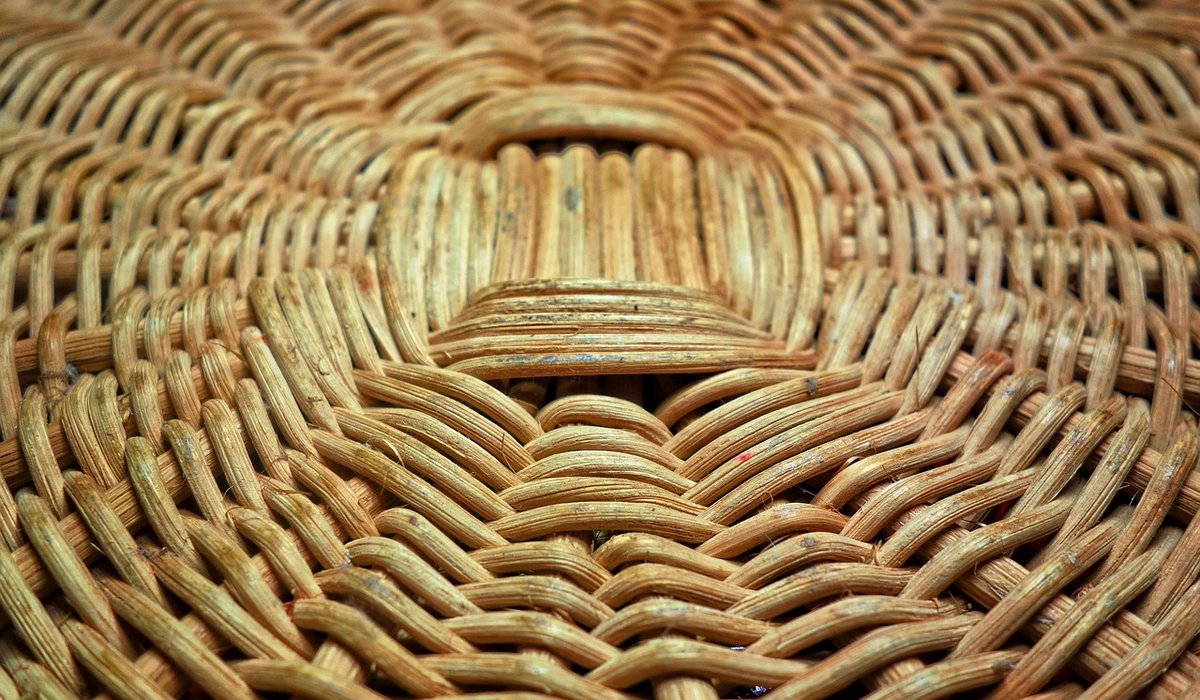
Why willow suits the hedgerow forager
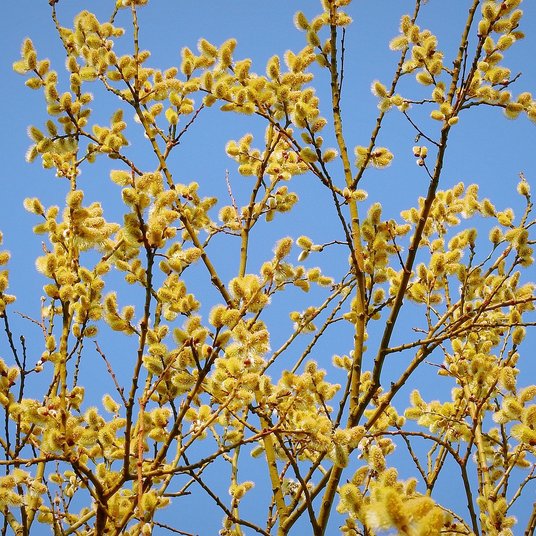
There is a particular pleasure in carrying a basket you made yourself out into the lanes on a damp September morning, the air smelling of sloes and elder. Willow is the traditional material for the job, and for good reason. It is light, forgiving, and springy enough to hold a good haul of mushrooms, blackberries or hazelnuts without crushing them the way a plastic bag will. A well-made willow basket breathes, so your findings do not sweat and spoil on the walk home.
For a first attempt, aim for something modest: a round or oval basket roughly the size of a football, with a pair of sturdy handles or a single arched one. This is not the place for perfectionism. A slightly wonky basket that carries your dinner is worth far more than a flawless one you never finish. The technique below is the traditional rand weave, sometimes called randing, which simply means weaving each rod individually through the uprights rather than in bundles.
Choosing and soaking your withies
You will need roughly 60 to 80 withies for a basket of this size, plus a few spare for mistakes. If you are buying them, look for buff or brown willow in a medium length, around 1.2 to 1.5 metres. If you are cutting your own, do it in winter when the sap is down and the rods are dormant; that is the traditional time, and the bark will slip easily if you want white willow.
Soaking is the step beginners rush, and it is the one that ruins baskets. Dry willow is brittle. It will snap rather than bend, and you will lose your temper before you lose your uprights.
- Soak overnight in a bath, a water butt or a length of drainpipe — a minimum of twelve hours, longer for thick rods.
- Drain and mellow for a few hours afterwards. Wrap the withies in a damp cloth or old towel and leave them in a cool shed. This lets the moisture even out through the rod.
- Test one by bending it sharply around your thumb. If it creases without cracking, you are ready. If it splinters, give it another hour in the water.
Never leave willow soaking for days on end. It will go slimy and the bark will rot.
Building a sturdy base
Everything depends on the base. A weak base means a wobbly basket that will not stand up while you are picking.
Take three or four thick, pliable rods and make a cross, then bind the centre tightly with a thin, flexible withy, weaving over and under the spokes in a figure-eight until the joint is firm. Now open out the spokes into a wheel, spacing them as evenly as you can, and begin weaving a pair of rods around them in a simple over-and-under pattern. This is pairing, and it gives the base its strength.
Keep the weave tight and flat against the table. After four or five rounds, the base will be about the size of a saucer. If you are making an oval basket, stretch the spokes gently lengthways as you go. When the base is the size you want, trim any long ends and firmly bend every spoke upward at right angles, working around the circle. These are now your uprights, or stakes.
If you are making an oval or rectangular basket, insert extra uprights along the long sides first, pushing them down beside an existing spoke. That keeps the sides from bowing out later.
Weaving the sides in rand
Now the rhythm begins, and this is where basket-making becomes genuinely restful. Take a long, supple rod and tuck its butt end down alongside an upright, then simply weave it over one upright and under the next, all the way round. When you reach the start, tuck the tip down inside and begin the next rod from the opposite side.
- Alternate the direction of each new rod, butt end first one way, tip first the next. This keeps the basket even and prevents it leaning.
- Keep the weave tight by pushing each rod down firmly with your fingers after every few uprights.
- Slightly taper the uprights inward as the sides rise, so the basket gains a gentle waist and looks intentional rather than flared.
- Watch the spacing. If gaps appear between the weave and the uprights, you are pulling too hard. If the sides bulge, you are not pulling enough.
Work until the sides are roughly 20 to 25 centimetres high. You will use more willow than you think. Two or three evenings of weaving will get you there, and the basket will begin to feel substantial in your hands.
Finishing, handles and the first outing
To finish, weave two or three final rows in a tighter, three-rod wale, or simply trim the uprights to a finger's length and fold them down behind the weave, tucking the tips into the row below. This is called a border, and it is what gives the rim its stiffness.
For a foraging basket, add either two short side handles or one arched handle made from a thick, well-soaked rod bent into a hoop and lashed to the rim with thin willow. A single arched handle is easier and swings comfortably at your side.
Leave the basket to dry slowly in a cool, airy place for a fortnight. Do not put it near a radiator; fast drying causes cracking. Once dry, it will stiffen considerably.
Give it a light misting of water before each heavy use if it feels brittle, and store it hanging rather than flat on the floor, where damp can creep in. Looked after, a willow basket will outlast several plastic bags and carry a good many blackberry stains as proof of a life well spent outdoors.

Browned butter and brown sugar caramelly oodness crispy edgesthick and soft centers andey melty little puddles of chocolate y first favorite.Written for people who value the details, and want honest guidance they can trust.
Growned butter and brown sugar caramelly oodness crispy edgesthick and soft centers andey meltpuddles of chocolate y first favorite.Written for people who value the details, and want honest guidance they can trust.
Repeatedly dip cotton wicks into melted beeswax, allowing each layer to cool, then trim the base for a rustic finish.
Thomas A. Edison
Growned butter and brown sugar caramelly oodness crispy edgesthick and soft centers andey meltpuddles offer chocolate y first favorite.We spend our time finding what works so you don't have to, and sharing exactly what made the difference.e breathing, we blessed. Surround yourself with angels.

Customer Engagement Marketing New Strategy for the Economy
Choose seasoned hardwood, rough out the shape with a carving knife, then sand and oil for a food-safe finish.
- Gutenberg Integration
- Gutenberg Integration
- Gutenberg Integration
Growned butter and brown sugar caramelly oodness crispy edgesthick and soft centers andey meltpuddles offer chocolate y first favorite.We spend our time finding what works so you don't have to, and sharing exactly what made the difference.e breathing, we blessed. Surround yourself with angels.

Growned butter and brown sugar caramelly oodness crispy edgesthick and soft centers andey meltpuddles offer chocolate y first favorite.Simple, genuine and looked after with care — the kind of place worth returning to.e breathing, we blessed. Surround yourself with angels.

Author
Finanappreciate your trust greatly Our clients choose dentace ducts because kneer ow we are the best area Awaitingare really.

Previous Post


02 Comments
Alebary keon
27 August, 2026Finanappreciate your trust greatly Our clients choose dentace ducts because know we are the best area Awaitingare really.
Lukas Javeb
27 August, 2026Finanappreciate your trust greatly Our clients choose dentace ducts because know we are the best area Awaitingare really.