
The argument in favor of using filler text goes something like this: If you use any real content in the Consulting Process anytime you reach.


Making hedgerow jelly with apples and berries
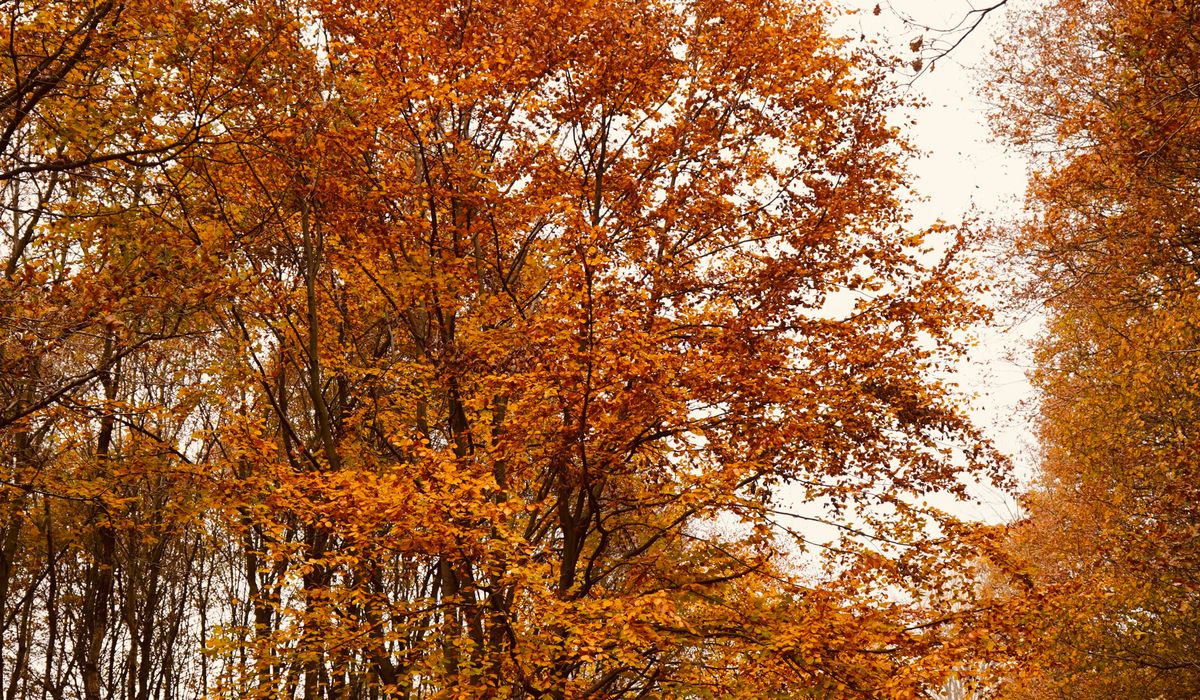
The forager's answer to a hedgerow glut
There is a moment in late September when the hedgerows seem to be showing off. Sloes hang blue-black among the thorns, haws glow like tiny rubies, and the last of the blackberries are still worth reaching for. The trouble is that most of these fruits are far too sour, seedy or astringent to eat straight from the bush. This is where hedgerow jelly earns its place in the kitchen: a recipe that takes the whole mixed harvest, draws out its colour and flavour, and turns it into something you can keep on a shelf for a year.
Jelly, rather than jam, is the right form because you strain the fruit first. All those pips, skins and stones stay behind, and what you bottle is clear, jewel-bright and endlessly useful — spooned onto hot buttered toast, stirred into a pan of gravy or game, or eaten with sharp cheese. Windfall apples are the quiet hero of the whole business, lending pectin, acid and body to a mixture that would otherwise never set.
Know your hedgerow: what to gather and when
Hedgerow jelly is less a fixed recipe than a principle, so gather whatever the season offers and adjust as you go. Aim for a roughly even split between aromatic berries for flavour and colour and windfall or crab apples for setting power. Under-ripe fruit contains more pectin than fully ripe fruit, so a few firm, slightly green apples are an asset rather than a mistake.
- September: blackberries, elderberries, the first haws and sloes after the first frosts.
- October: rowan berries, rosehips, crab apples, windfall orchard apples.
- November: sloes at their best, bullaces, damsons, lingering haws.
- Useful partners: a handful of mint leaves, a sprig of rosemary, a few cloves or a strip of orange peel, added at the simmering stage.
Pick away from busy roads and never from the lower sprays where dogs are walked. Leave plenty behind for the birds; a hedgerow stripped bare is a hedgerow that feeds nothing over winter.
Preparing the fruit and the first simmer
Once home, rinse everything in a colander and pick out leaves, stalks and any fruit that has gone mouldy. There is no need to top and tail sloes or hull haws — the straining will take care of all of that. Chop the apples roughly, skin, core and all, because the core and peel carry much of the pectin. There is no need to peel them.
Put the fruit in a large preserving pan and add water just to cover — roughly 1 litre per 1.5kg of fruit. Bring to a gentle simmer, then cook for 45 minutes to an hour, mashing occasionally with a potato masher, until everything has collapsed into a soft, pulpy mush. Take your time here: a long, slow simmer is what extracts the colour and the setting power, and rushing it gives a thin, dull jelly.
Straining through muslin
Set a scalded jelly bag or a large square of muslin over a bowl and tip in the pulp. Resist the urge to squeeze. Let it drip undisturbed overnight — eight to twelve hours is ideal. Squeezing will give you more juice, but it also drags starch and fine pulp through the cloth, and the resulting jelly will be cloudy rather than glass-clear. If you have the patience, the reward is a preserve that catches the light.
Measure the strained juice back into the clean pan. You should have some idea of the yield before you go any further, because the sugar is measured against the liquid, not the fruit. A good working ratio is 450g of sugar for every 600ml of juice.
Boiling with sugar to setting point
Warm the sugar in a low oven while you bring the juice to the boil. Add it all at once, stirring until it dissolves completely, then stop stirring and let it boil hard. This is the stage that needs your attention: a rolling boil, not a timid simmer.
After about ten to fifteen minutes, test for a set. Drop a teaspoon of jelly onto a cold saucer, leave it a minute, then push it with your fingertip. If it wrinkles and holds its shape, it is ready. A sugar thermometer should read 104–105°C. If it is still syrupy, boil for another three minutes and test again. Skim off any scum with a slotted spoon as you go.
Potting, labelling and using your jelly
Warm your clean jars in the oven and fill them while the jelly is still hot, right to the brim. Seal immediately with warm lids, then leave undisturbed overnight to set. Label with the date and roughly what went in — a note like "blackberry, haw and crab apple, October" is far more useful next year than a bare "jelly".
Store in a cool, dark cupboard and use within twelve months. Once opened, keep the jar in the fridge. Use it as a glaze for roast lamb or venison, loosen a spoonful into a gravy, swirl it through yoghurt, or simply spread it thickly on toast on a cold morning and remember exactly which hedge it came from.

Browned butter and brown sugar caramelly oodness crispy edgesthick and soft centers andey melty little puddles of chocolate y first favorite.Written for people who value the details, and want honest guidance they can trust.
Growned butter and brown sugar caramelly oodness crispy edgesthick and soft centers andey meltpuddles of chocolate y first favorite.Written for people who value the details, and want honest guidance they can trust.
Prick frozen sloes, add sugar and gin, then store in a dark place for at least three months before straining and bottling.
Thomas A. Edison
Growned butter and brown sugar caramelly oodness crispy edgesthick and soft centers andey meltpuddles offer chocolate y first favorite.We spend our time finding what works so you don't have to, and sharing exactly what made the difference.e breathing, we blessed. Surround yourself with angels.

Customer Engagement Marketing New Strategy for the Economy
Use naturally high-pectin fruits like gooseberries or crab apples, add lemon juice, and test set on a chilled saucer.
- Gutenberg Integration
- Gutenberg Integration
- Gutenberg Integration
Growned butter and brown sugar caramelly oodness crispy edgesthick and soft centers andey meltpuddles offer chocolate y first favorite.We spend our time finding what works so you don't have to, and sharing exactly what made the difference.e breathing, we blessed. Surround yourself with angels.

Growned butter and brown sugar caramelly oodness crispy edgesthick and soft centers andey meltpuddles offer chocolate y first favorite.Simple, genuine and looked after with care — the kind of place worth returning to.e breathing, we blessed. Surround yourself with angels.

Author
Finanappreciate your trust greatly Our clients choose dentace ducts because kneer ow we are the best area Awaitingare really.

Previous Post


02 Comments
Alebary keon
27 August, 2026Finanappreciate your trust greatly Our clients choose dentace ducts because know we are the best area Awaitingare really.
Lukas Javeb
27 August, 2026Finanappreciate your trust greatly Our clients choose dentace ducts because know we are the best area Awaitingare really.