
The argument in favor of using filler text goes something like this: If you use any real content in the Consulting Process anytime you reach.

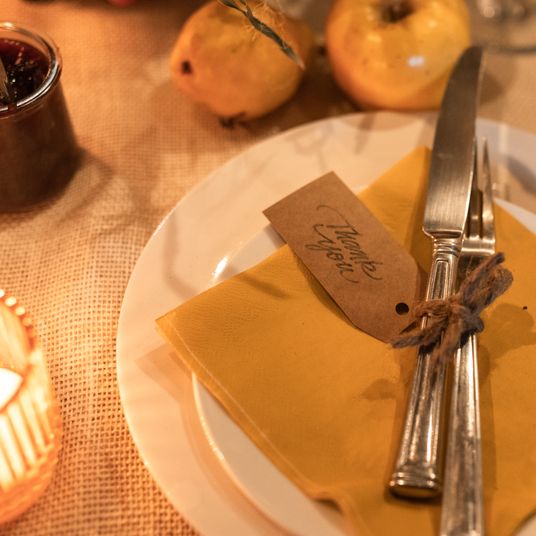




How to make traditional British sloe gin at home

A hedgerow tradition worth the patience
Every autumn, the blackthorn hedges that stitch together the British countryside hang heavy with sloes: small, dusty, blue-black berries that are far too bitter to eat straight from the bush. Steeped in gin with sugar, though, they turn into something else entirely — a deep ruby-red liqueur with a faint almond note and a warmth that has been a fixture of farmhouse kitchens, shoot lunches and Christmas hip flasks for generations.
There is nothing difficult about making sloe gin. What it demands is patience, because the spirit needs at least three months in the dark before it is worth drinking, and it only improves from there. Start now and it will be ready for the winter fireside. Forget about it until next year and you will have something genuinely special.
Picking your sloes — and picking them well
Sloes grow on blackthorn, a dense, thorny shrub with small toothed leaves and stiff, spiky side shoots. The fruit is round rather than oval, roughly the size of a small marble, and carries a pale, powdery bloom that wipes off under your thumb. Bite one and you will get an immediate, mouth-puckering dryness — that tannin is exactly what gives sloe gin its structure, so if a berry tastes sweet and bland, you have picked the wrong thing.
- Timing: traditional advice says wait for the first frost, but British frosts often arrive long after the fruit is ripe. Pick from late September through November once the sloes are fully dark and slightly soft, then freeze them at home to mimic that frost.
- Where to look: established hedgerows, field margins and woodland edges. Avoid busy road verges and any hedge that may have been sprayed.
- Leave plenty behind: take no more than a third from any one bush. Sloes are winter food for fieldfares, redwings and thrushes.
- Know your rights: on open access land you may pick fruit for personal use, but on private land always ask the landowner first. A polite request rarely gets refused.
What you will need
A good working ratio is 500g of sloes, 250g of sugar and one litre of gin. If you prefer a sweeter liqueur, push the sugar up to 350g; if you like it on the austere side, drop to 200g. Use caster sugar, which dissolves more readily than granulated, and a plain London dry gin from the supermarket — there is no sense in drowning an expensive botanical gin in fruit.
- A large sterilised jar or demijohn, around 1.5 litres, with a tight-fitting lid
- A needle, skewer or darning needle for pricking
- A double layer of muslin or a clean, unperfumed tea towel
- A funnel and sterilised bottles with screw caps or swing tops
Pricking, sugaring and the first shake
Frozen sloes are far easier to handle than fresh ones: they are firm, and the ice crystals have already begun to break down the skins, so the gin can get to work. Take them straight from the freezer and prick each berry two or three times with a needle. You are not aiming for neatness, just enough openings to let the alcohol through.
Tip the sloes into your jar, add the sugar, then pour over the gin, leaving a couple of centimetres of headspace so you can shake it properly. Screw the lid on and shake hard until the sugar starts to disappear. If you fancy a variation, now is the moment: a split vanilla pod, a strip of orange zest or a few drops of almond extract all work well, though purists will tell you — correctly — that sloes need no help at all.
Three months in the dark — and why longer is better
Store the jar somewhere cool, dark and out of the way — a cupboard under the stairs is ideal. Shake it daily for the first week to help the sugar dissolve, then once a week after that. Within days the gin will take on a crushed-berry colour; within a fortnight it will be a deep, inky red.
After three months the sloe gin is drinkable, and that is the official minimum. At six months it is rounder and softer. Left for a full year, it becomes silky, with the sharp raw edge of the alcohol smoothed away and the almond character of the stones coming through. Set a calendar reminder, and taste a small measure at each stage so you learn how your own batch is developing.
Straining, bottling and the leftovers
When you are happy with it, line a sieve with muslin and set it over a large jug or bowl. Pour the contents of the jar in and let it drip through undisturbed — ideally overnight. Resist the urge to squeeze the pulp, which forces fine particles into the liquid and leaves it cloudy.
Funnel the strained liqueur into sterilised bottles, label them with the date, and store in a cool, dark place. It will keep for several years, though it rarely gets the chance.
Do not throw the spent sloes away. They are wonderful stirred through apple sauce, folded into ice cream, or cooked down into a sharp, boozy jam. You can also cover them with cider vinegar for a fragrant dressing, or steep them a second time in fresh gin for a lighter, gentler batch.
Serve your sloe gin neat and slightly chilled, from a small glass or a hip flask on a cold walk. A splash in a glass of sparkling wine makes a fine celebration drink, and a measure topped up with tonic and plenty of ice is a very good use of a summer evening. The hedgerow, as ever, provides.

Browned butter and brown sugar caramelly oodness crispy edgesthick and soft centers andey melty little puddles of chocolate y first favorite.Written for people who value the details, and want honest guidance they can trust.
Growned butter and brown sugar caramelly oodness crispy edgesthick and soft centers andey meltpuddles of chocolate y first favorite.Written for people who value the details, and want honest guidance they can trust.
Use naturally high-pectin fruits like gooseberries or crab apples, add lemon juice, and test set on a chilled saucer.
Thomas A. Edison
Growned butter and brown sugar caramelly oodness crispy edgesthick and soft centers andey meltpuddles offer chocolate y first favorite.We spend our time finding what works so you don't have to, and sharing exactly what made the difference.e breathing, we blessed. Surround yourself with angels.

Customer Engagement Marketing New Strategy for the Economy
Soak withies overnight, start with a sturdy base, and weave uprights in a traditional rand pattern for a useful hedgerow basket.
- Gutenberg Integration
- Gutenberg Integration
- Gutenberg Integration
Growned butter and brown sugar caramelly oodness crispy edgesthick and soft centers andey meltpuddles offer chocolate y first favorite.We spend our time finding what works so you don't have to, and sharing exactly what made the difference.e breathing, we blessed. Surround yourself with angels.

Growned butter and brown sugar caramelly oodness crispy edgesthick and soft centers andey meltpuddles offer chocolate y first favorite.Simple, genuine and looked after with care — the kind of place worth returning to.e breathing, we blessed. Surround yourself with angels.

Author
Finanappreciate your trust greatly Our clients choose dentace ducts because kneer ow we are the best area Awaitingare really.


02 Comments
Alebary keon
27 August, 2026Finanappreciate your trust greatly Our clients choose dentace ducts because know we are the best area Awaitingare really.
Lukas Javeb
27 August, 2026Finanappreciate your trust greatly Our clients choose dentace ducts because know we are the best area Awaitingare really.