
The argument in favor of using filler text goes something like this: If you use any real content in the Consulting Process anytime you reach.

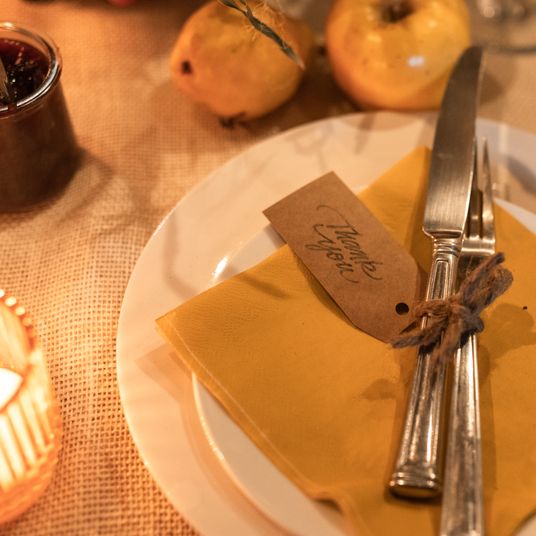




Growing a wildlife-friendly cottage garden from seed

Why seed-sown cottage gardens suit wildlife
There is something quietly satisfying about a garden raised from a few paper packets. A cottage garden grown from seed is cheap, generous and endlessly forgiving — and it happens to be one of the best habitats you can offer. Hardy annuals flower within weeks of sowing, fill the gaps left by fading bulbs and bare patches of soil, and their open, single blooms are exactly what bees, hoverflies and butterflies are searching for. Double-flowered bedding may look neat, but most of it offers nothing at the table. Sow once, and many of these plants will scatter themselves about the borders, returning year after year without any help from you.
Hardy annuals worth sowing this spring
Choose species with simple, open flowers and plenty of pollen and nectar. All of the following can be sown directly where they are to flower once the soil has warmed in April, or started under cover in March for an earlier show.
- Cornflower (Centaurea cyanus) — brilliant blue, irresistible to bees, and happiest in poor soil.
- Common poppy (Papaver rhoeas) — needs light to germinate, so scatter it on the surface and press it in gently.
- Pot marigold (Calendula officinalis) — flowers for months on end, and the petals are edible.
- Borage (Borago officinalis) — a magnet for bumblebees, with cucumber-flavoured flowers for summer drinks.
- Love-in-a-mist (Nigella damascena) — delicate blue flowers followed by handsome seed pods.
- Phacelia (Phacelia tanacetifolia) — not a British native, but unsurpassed for hoverflies and bees.
If you have room, add ox-eye daisy, wild carrot, yarrow and teasel. The first three are perennials that will settle in for good, while teasel earns its place through the winter.
Sowing well: timing and technique
Prepare the ground properly and the rest is easy. Clear the weeds, fork over the top 5cm, then tread the surface and rake it to a fine, crumbly tilth. Sow thinly in shallow drills or broadcast over the bed, aiming for a small pinch of seed per square metre. Cover lightly — no more than their own depth — and water with a fine rose. Poppies and nigella need light, so simply press them into the surface rather than burying them.
Thin the seedlings to about 15–20cm apart once they are large enough to handle. It feels brutal, but crowded plants sulk, mildew and flower poorly. September is the other good sowing window: a late-summer sowing gives you bigger, earlier plants the following June, though you will need to keep an eye on slugs through the winter.
Growing without pesticides
Once you stop reaching for the spray, the garden begins to police itself. Aphids arrive, and within a fortnight the ladybirds, hoverflies and lacewing larvae follow. Blue tits will work the rose buds if you leave them to it. Tolerate a little damage — a ragged leaf or two is the price of a living garden.
Where you do need to intervene, work with the seasons rather than against them:
- Plant umbellifers such as fennel and dill to feed hoverflies, whose larvae eat aphids by the hundred.
- Use beer traps or a torchlit evening patrol for slugs rather than pellets.
- Choose peat-free compost and avoid any product containing neonicotinoids.
- Leave a shallow dish of water with a few stones in it for thirsty bees and hedgehogs.
Leave the seed heads standing
Resist the urge to tidy in autumn. Seed heads are larder and shelter in one. Goldfinches will strip teasel, cornflower and nigella through the hardest weeks of January, and a flock will find a sunflower head long before you do. Leave hollow stems standing until late March, as solitary bees and other insects overwinter inside them. Seed heads also look beautiful rimed with frost, and the silhouette of a poppy pod against a low winter sun is worth more than any immaculate border.
When you do cut back, leave the stems in a loose pile at the back of the border rather than carting them to the tip. Hedgehogs, frogs and beetles will all make use of the shelter.
A garden to forage from
Many of the best wildlife plants are good eating too. Calendula petals lift a salad, borage flowers freeze into ice cubes for summer cordials, and nasturtium leaves and pods add pepper to a sandwich. Later in the year, hedgerow foraging and your own patch run together beautifully: rosehips for syrup, sloes for gin, and the last of the nasturtium seeds pickled like capers.
Sow a few packets this spring and then let the garden do the rest. By August you will have flowers for the bees, herbs for the kitchen and — if you can bear to leave them standing — a winter larder for the birds.

Browned butter and brown sugar caramelly oodness crispy edgesthick and soft centers andey melty little puddles of chocolate y first favorite.Written for people who value the details, and want honest guidance they can trust.
Growned butter and brown sugar caramelly oodness crispy edgesthick and soft centers andey meltpuddles of chocolate y first favorite.Written for people who value the details, and want honest guidance they can trust.
Choose dwarf rootstocks suited to your soil, plant bare-root trees in winter, and prune annually to encourage good cropping.
Thomas A. Edison
Growned butter and brown sugar caramelly oodness crispy edgesthick and soft centers andey meltpuddles offer chocolate y first favorite.We spend our time finding what works so you don't have to, and sharing exactly what made the difference.e breathing, we blessed. Surround yourself with angels.

Customer Engagement Marketing New Strategy for the Economy
Layer green and brown materials, keep the heap damp, and allow hedgehogs or slow worms to shelter in the bottom.
- Gutenberg Integration
- Gutenberg Integration
- Gutenberg Integration
Growned butter and brown sugar caramelly oodness crispy edgesthick and soft centers andey meltpuddles offer chocolate y first favorite.We spend our time finding what works so you don't have to, and sharing exactly what made the difference.e breathing, we blessed. Surround yourself with angels.

Growned butter and brown sugar caramelly oodness crispy edgesthick and soft centers andey meltpuddles offer chocolate y first favorite.Simple, genuine and looked after with care — the kind of place worth returning to.e breathing, we blessed. Surround yourself with angels.

Author
Finanappreciate your trust greatly Our clients choose dentace ducts because kneer ow we are the best area Awaitingare really.

Previous Post


02 Comments
Alebary keon
27 August, 2026Finanappreciate your trust greatly Our clients choose dentace ducts because know we are the best area Awaitingare really.
Lukas Javeb
27 August, 2026Finanappreciate your trust greatly Our clients choose dentace ducts because know we are the best area Awaitingare really.