
The argument in favor of using filler text goes something like this: If you use any real content in the Consulting Process anytime you reach.
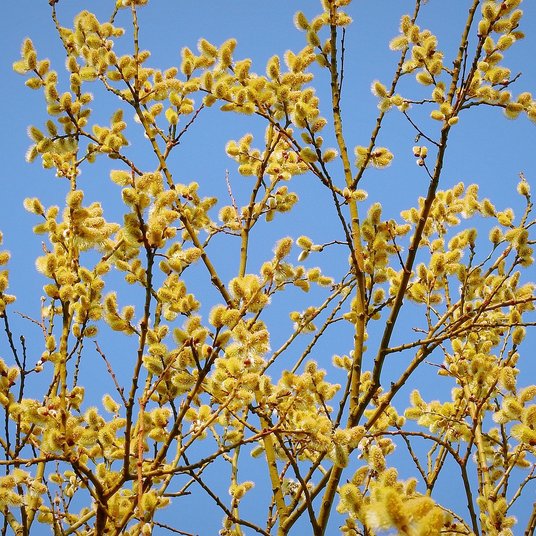
Why hedgerows matter for British farmland birds

Why hedgerows matter
A hedge is the most ordinary thing in the British countryside, and one of the most valuable. Since the middle of the twentieth century we have lost roughly half of our hedgerows — those that remain are often shorter, thinner and made of a single species. At the same time, many of our farmland birds have declined steeply. These two facts are not a coincidence. For a yellowhammer, a whitethroat or a dunnock, a hedgerow is not a boundary line on a map. It is a nest site, a larder, a shelter and a road, all in one.
If you walk a footpath between two fields and see nothing but a neat, waist-high line of trimmed hawthorn, you are looking at something that has been tidied into near-uselessness. Good hedges are messy, thick and full of life.
What makes a hedge good for birds
The single most important thing is structure. A wildlife-friendly hedge is best thought of as a long, narrow wood. Aim for roughly two metres tall and two to three metres wide at the base, with a dense, bushy bottom that blocks the light underneath. Birds such as dunnocks, wrens and yellowhammers nest low, often within a metre of the ground, where the tangle of stems hides them from magpies and cats alike.
- Thick base: no daylight visible underneath — this is the test to apply to your own hedge.
- Height: two metres or more keeps nests out of reach and shelters the whole hedge in bad weather.
- Native species: hawthorn, blackthorn, hazel, field maple, dog rose, crab apple, guelder rose and spindle.
- Climbers and scramblers: honeysuckle, bramble and ivy add nesting cover and autumn food.
- Occasional standards: a mature oak or ash left standing at intervals gives song posts and extra insect life.
A hedge cut hard every year on the same line simply grows outward and hollows out at the base. That hollow is where birds stop being able to nest.
A diverse hedge is a seasonal larder
Different shrubs feed different insects at different times, and it is insects — especially caterpillars — that raise most young farmland birds. Blackthorn flowers in the cold weeks of early spring, offering nectar when little else is open. Hawthorn leafs out and blossoms in May, feeding the caterpillars of dozens of moth species just as chicks are hatching. Hazel catkins and wild cherry follow.
Later in the year the same hedge changes menu. Hips, haws, sloes, elderberries and ivy berries see blackbirds, song thrushes, redwings and fieldfares through the winter. Ivy is particularly generous — its late flowers feed bees and hoverflies in autumn, and its black berries are a lifeline in January. Leave a patch of bramble and ivy uncut and you will be repaid in birds.
Corridors that reconnect the countryside
Modern farmland is fragmented: a wood here, a copse there, with vast open fields between. A continuous hedgerow network is what stitches those fragments back together. Young birds dispersing in autumn, bats commuting to feed, hedgehogs and even insects all move along hedgerows in preference to crossing open ground.
This is why gaps matter. A five-metre gap is a minor inconvenience; a hundred-metre gap breaks the corridor entirely. Gapping up with native whips, planted in winter and protected with a spiral guard, is one of the cheapest and most effective things a land manager can do. Where a hedge meets a wood, a ditch or a rough field margin, leave it rough — that junction is where wildlife concentrates.
Managing a hedge through the year
Good hedgerow management is about timing and restraint. Cutting every second or third year, on a rotation so that different stretches are at different stages, gives you a mix of dense young growth and older, berry-bearing wood. Trim in late winter, after the berries have gone and before nesting begins — and never between March and the end of August, when nests are active.
Every ten to fifteen years, lay a hedge rather than flail it. Laying involves partially cutting the stems near the base and bending them over, which produces a thick, stock-proof barrier that is superb nesting habitat and can live for decades. It is skilled work, traditionally done between autumn and early spring, and worth finding someone local who still does it.
- Cut on a two to three-year rotation, never all at once.
- Trim in late January or February, not in spring or summer.
- Leave a rough grass margin at least two metres wide alongside.
- Retain ivy, bramble and honeysuckle where they do not obstruct the road or path.
- Fill gaps with native, local-provenance stock.
Living with the seasons
The pleasure of paying attention to hedges is that they mark the year for you. February is for laying and planting, with catkins and the first blackthorn flowers. May is for listening — whitethroats chattering from the top, a yellowhammer's broken song from a taller thorn. High summer is quiet and busy; the hedge is full of hidden nests. By October you can taste the season's work in a handful of sloes, and by January the ivy berries are feeding the first redwings.
You do not need a farm to help. A garden hedge left thick at the base, trimmed lightly and rarely, planted with native species, is the same habitat in miniature. Multiply that decision across a parish, and the corridors begin to join up again. Hedgerows are one of the few pieces of British wildlife habitat that ordinary people can genuinely restore — one winter's work, a few years' patience, and the birds will tell you it was worth it.

Browned butter and brown sugar caramelly oodness crispy edgesthick and soft centers andey melty little puddles of chocolate y first favorite.Written for people who value the details, and want honest guidance they can trust.
Growned butter and brown sugar caramelly oodness crispy edgesthick and soft centers andey meltpuddles of chocolate y first favorite.Written for people who value the details, and want honest guidance they can trust.
Choose a shaded spot, add native oxygenating plants, and include a shallow ledge so small creatures can enter and exit safely.
Thomas A. Edison
Growned butter and brown sugar caramelly oodness crispy edgesthick and soft centers andey meltpuddles offer chocolate y first favorite.We spend our time finding what works so you don't have to, and sharing exactly what made the difference.e breathing, we blessed. Surround yourself with angels.

Customer Engagement Marketing New Strategy for the Economy
Learn the differences between tawny, barn, and little owl sounds, then listen at dusk near woodland edges and old buildings.
- Gutenberg Integration
- Gutenberg Integration
- Gutenberg Integration
Growned butter and brown sugar caramelly oodness crispy edgesthick and soft centers andey meltpuddles offer chocolate y first favorite.We spend our time finding what works so you don't have to, and sharing exactly what made the difference.e breathing, we blessed. Surround yourself with angels.

Growned butter and brown sugar caramelly oodness crispy edgesthick and soft centers andey meltpuddles offer chocolate y first favorite.Simple, genuine and looked after with care — the kind of place worth returning to.e breathing, we blessed. Surround yourself with angels.

Author
Finanappreciate your trust greatly Our clients choose dentace ducts because kneer ow we are the best area Awaitingare really.

Previous Post


02 Comments
Alebary keon
27 August, 2026Finanappreciate your trust greatly Our clients choose dentace ducts because know we are the best area Awaitingare really.
Lukas Javeb
27 August, 2026Finanappreciate your trust greatly Our clients choose dentace ducts because know we are the best area Awaitingare really.