
The argument in favor of using filler text goes something like this: If you use any real content in the Consulting Process anytime you reach.

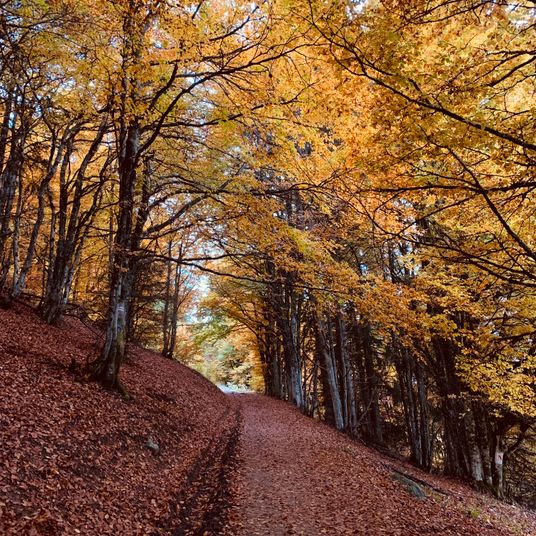
Planting a small orchard for autumn fruit harvests
Start with the site, not the trees
Before you order a single sapling, spend a week watching your ground. Fruit trees are long-term tenants, and most disappointments in small orchards trace back to a poorly chosen spot. Apples, pears, plums and cherries all want full sun for at least six hours a day in summer — anything less and you will get leafy growth and precious little fruit. Avoid frost pockets too. Cold air sinks, so a dip at the bottom of the garden or a spot behind a solid hedge can hold frost long enough to nip blossom in May, which is exactly when you least want it.
Sloping ground is a gift, as long as the slope faces south or west. It sheds cold air and warms earlier in spring. If your site is exposed, a permeable windbreak — a hazel hurdle, a mixed native hedge, even a line of raspberry canes — will do more good than a solid fence, which creates damaging gusts on its lee side.
Soil matters, but less than drainage. Fruit trees hate standing water around their roots. Dig a test hole about 60cm deep in winter and see whether it fills. If it does, plant on a slight mound or install a few drainage runs before anything else. Most top fruit is happy at pH 6.0 to 7.0; if your soil is very acid, a dressing of garden lime worked into the planting area helps. Clay is workable if you break it up and add well-rotted organic matter to the top 30cm, but do not fill the planting hole with rich compost alone — roots will circle in the soft stuff rather than pushing out into the real soil.
Dwarf rootstocks for small spaces
The rootstock, not the variety, decides how big your tree becomes. For a garden orchard this is the single most important choice you will make. A vigorous tree on a standard rootstock will happily reach eight metres and take fifteen years to crop properly. A dwarf will start fruiting in three or four years and stay within reach of a step ladder.
- M27 — the smallest apple rootstock, around 1.8m. Perfect for containers and trained stepovers, but it needs permanent staking and good soil. Not for the forgetful gardener.
- M9 — the classic garden choice. Roughly 2.5m, crops early and heavily, needs staking for life.
- M26 — 3m and a little more forgiving on poorer ground. A sensible middle ground.
- MM106 — 4m or so, good on grass and heavier clay, and largely self-supporting once established.
- Quince C or Quince A — the standard dwarfing rootstocks for pears.
- St Julien A — the reliable choice for plums and damsons, giving a tree of around 3.5m.
- Colt or Gisela 5 — for cherries; Gisela 5 keeps sweet cherries genuinely manageable.
Spacing follows the rootstock. M9 apples want about 2.5m between trees; MM106 wants 4m. If you plan to mow between them, leave a little more. And check pollination groups before you buy: many apples need a partner flowering at the same time, so choose two or three varieties from the same or adjacent groups, or pick a self-fertile variety such as 'Discovery' or 'Greensleeves'.
Planting bare-root trees in winter
Bare-root trees are cheaper, establish better and come in far more varieties than potted ones. Order from late autumn and plant any time from November to March, provided the ground is not frozen or waterlogged. November and early December are ideal — the soil is still warm enough for roots to settle in before the worst of the cold.
Soak the roots for an hour before planting if they look dry. Dig a hole wide enough to take the roots spread out fully, but no deeper than the soil mark on the trunk. Set the tree so that mark sits level with the surrounding soil; burying the graft union is a common and costly mistake. Work a handful of bonemeal into the backfill, firm gently with your heel in layers, and water well even if rain is forecast. Then stake. A short stake angled at 45 degrees, or a vertical stake driven in before planting and tied with a soft figure-of-eight, will stop the roots rocking while they knit into the soil. Mulch 5cm deep in a ring around the trunk, keeping it clear of the bark, and fit a spiral guard against rabbits and voles.
Pruning for shape and cropping
A newly planted tree needs a light touch. In the first winter, cut the main stem back to about 60cm above the highest branch you want to keep, and shorten any side shoots to three or four buds. This sounds brutal but it forces a balanced framework of outward-growing branches.
In the years that follow, prune apples and pears between November and February while they are dormant. Take out anything crossing, rubbing or growing straight up through the middle. Aim for an open goblet shape so light and air reach the centre — that is where good cropping comes from. Shorten the previous year's growth on the main branches by about a third to encourage fruiting spurs.
Plums, cherries and damsons are different. Prune them in late June or July, never in winter, to avoid silver leaf infection through open wounds. Keep summer pruning light and mainly about removing dead or damaged wood.
The autumn harvest and storing the surplus
Dwarf trees on M9 or M27 typically start cropping in their third or fourth year, with yields building steadily. Early varieties such as 'Beauty of Bath' come ready from late August and will not keep — eat them straight from the tree. Later apples like 'Egremont Russet' or 'Ashmead's Kernel' are picked in October and stored in a cool, dark, slightly damp place: a shed, garage or unheated room at 3–7°C.
Wrap each apple in newspaper, set them in single layers in shallow trays, and check every fortnight for the one rotten fruit that spoils the box. Pears are best picked slightly underripe and ripened indoors in a bowl. With a small orchard planted well, you can be eating your own fruit from August right through to February — and that is a fine thing to have at the bottom of the garden.

Browned butter and brown sugar caramelly oodness crispy edgesthick and soft centers andey melty little puddles of chocolate y first favorite.Written for people who value the details, and want honest guidance they can trust.
Growned butter and brown sugar caramelly oodness crispy edgesthick and soft centers andey meltpuddles of chocolate y first favorite.Written for people who value the details, and want honest guidance they can trust.
Layer green and brown materials, keep the heap damp, and allow hedgehogs or slow worms to shelter in the bottom.
Thomas A. Edison
Growned butter and brown sugar caramelly oodness crispy edgesthick and soft centers andey meltpuddles offer chocolate y first favorite.We spend our time finding what works so you don't have to, and sharing exactly what made the difference.e breathing, we blessed. Surround yourself with angels.

Customer Engagement Marketing New Strategy for the Economy
Thick, diverse hedges provide nesting cover, insect food, and safe corridors that connect fragmented habitats across the countryside.
- Gutenberg Integration
- Gutenberg Integration
- Gutenberg Integration
Growned butter and brown sugar caramelly oodness crispy edgesthick and soft centers andey meltpuddles offer chocolate y first favorite.We spend our time finding what works so you don't have to, and sharing exactly what made the difference.e breathing, we blessed. Surround yourself with angels.

Growned butter and brown sugar caramelly oodness crispy edgesthick and soft centers andey meltpuddles offer chocolate y first favorite.Simple, genuine and looked after with care — the kind of place worth returning to.e breathing, we blessed. Surround yourself with angels.

Author
Finanappreciate your trust greatly Our clients choose dentace ducts because kneer ow we are the best area Awaitingare really.

Previous Post


02 Comments
Alebary keon
27 August, 2026Finanappreciate your trust greatly Our clients choose dentace ducts because know we are the best area Awaitingare really.
Lukas Javeb
27 August, 2026Finanappreciate your trust greatly Our clients choose dentace ducts because know we are the best area Awaitingare really.