
The argument in favor of using filler text goes something like this: If you use any real content in the Consulting Process anytime you reach.


Starting a seasonal nature journal for countryside observations
Why a weekly record beats a casual glance
Most of us meet the countryside in fragments. A blackberry picked on a walk in September, a chiffchaff heard somewhere in April, a hawthorn hedge noticed only because it is suddenly white. Lovely moments, but they arrive unconnected, and by the following year the details have blurred into a general impression of seasons happening roughly on time.
A seasonal nature journal changes that. It asks the same handful of questions every week: what is the weather doing, what is growing, what is moving, and what is ready to pick. Answer them on the same walk, in the same place, and patterns surface that you would never spot otherwise. You begin to notice that your patch of lane warms up a fortnight after the valley floor, or that the sloes are always ready the week the fieldfares arrive.
You do not need a nature reserve. A footpath, a churchyard, a stretch of canal towpath or a corner of field margin will do. The value lies not in the rarity of the place but in the regularity of your visits.
Setting up a notebook that survives British weather
Practicalities matter far more than prettiness. A sodden, abandoned notebook teaches you nothing.
- A small A5 or A6 notebook with a hard cover, carried in a plastic wallet or dry bag
- A pencil rather than a pen — graphite keeps working in drizzle, ink does not
- A hand lens for checking leaf hairs, gills and seed heads
- A short ruler for measuring leaves, or a coin as a scale in photographs
- A small thermometer and a compass, or the compass on your phone
- One page at the back reserved for a running list of "firsts and lasts"
Leave the first two pages blank for an index. Six months in, you will want to find every entry about elderflower without rereading the lot.
What to record each week
Give every entry a date, a time, a location and a six-figure grid reference if you can. Then divide it into four headings, and be brief — ten minutes of writing is plenty.
- Weather — temperature, wind direction, cloud cover, and whether rain fell. Note the first ground frost, the first morning the puddles are iced, and the day the wind swings round to the east. These are the switches that drive everything else.
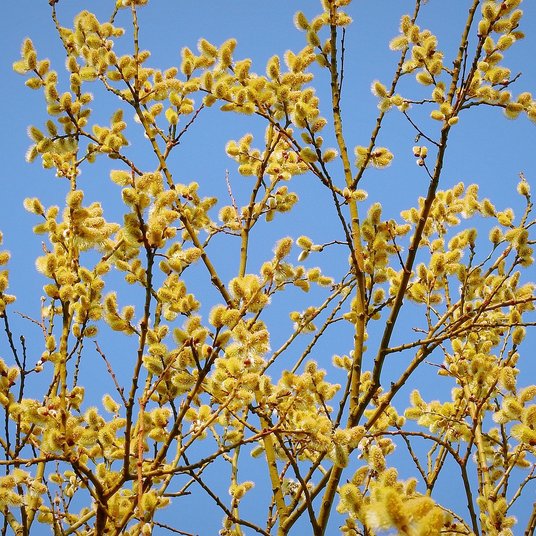
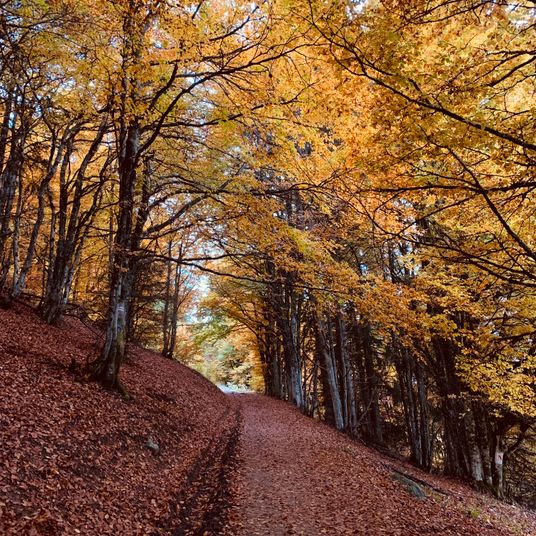
- Plant growth — bud burst, leaf unfurling, flowering, seeding, leaf fall. Record the specific plants you forage and the ones you simply enjoy: hazel catkins in January, blackthorn blossom in March, the cow parsley froth of May, hawthorn berries reddening in September.
- Bird activity — song, courtship, nesting, flocking, migration. The first swallow, the first swift screaming over the rooftops, the arrival of redwings and fieldfares in October, the moment the dawn chorus falls quiet in July.
- Foraging finds — species, quantity, habitat, condition and anything you left behind.
Learning the language of phenology
Phenology is simply the study of seasonal timing, and it is one of the most rewarding things a journal gives you. Traditional country knowledge is full of it: blackthorn winter, when a cold snap accompanies the sloe blossom; oak before ash, and the old rhyme about what follows. Written down year after year, these become your own local calendar rather than someone else's folklore.
Keep the firsts-and-lasts page rigorously. First hazel catkins, first wild garlic leaf, first ripe blackberry, first cep; last swift, last swallow, last ripe elderberry. After three years you will be able to predict your own patch with reasonable confidence, which is both useful and quietly thrilling.
Keeping a foraging diary that keeps you safe
For foraging, detail is not fussiness — it is how you learn, and how you avoid repeating a mistake. Record what you picked, how much, from what habitat, and how you cooked it. Note the flavour honestly. "Sloe gin, far too bitter, wait until after the first frost" is a genuinely valuable line.
Also record uncertainty. If you were not certain of an identification, write that down, along with what made you hesitate. Never eat anything you cannot identify with complete confidence, and let the journal carry the doubt rather than your dinner. Finally, note what you left. Take only what you need, leave plenty for wildlife and for next year's crop, and avoid stripping a single bush or clump. Marking the exact tree or patch means you can return to it in twelve months and see how it has fared.
Making the habit stick through the year
Pick a fixed day and a fixed half hour. Same walk, same questions, whatever the sky is doing. Fewer, more regular entries are worth far more than a burst of enthusiasm in May followed by silence.
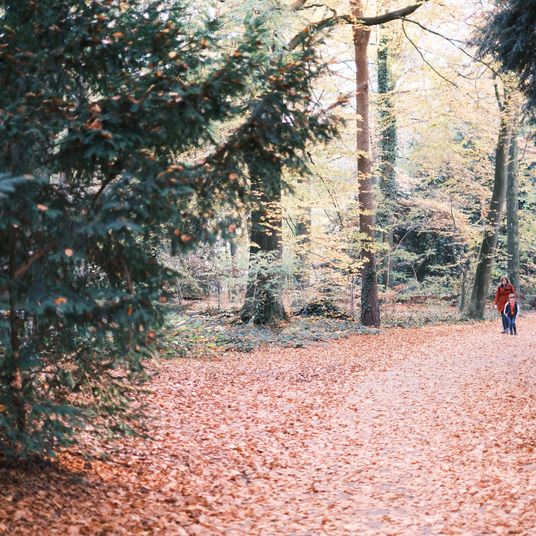
January is where most journals quietly die. It is dark, cold, and apparently empty. Yet January is the month that teaches you the most: hazel catkins glowing like lambs' tails, the first tentative song thrush, alder cones, wintercress in the hedge bottoms, the shape of every tree laid bare. Go out anyway. The entries that feel like nothing at the time are the ones you will read back with pleasure, and the seasons you thought you knew will slowly reveal themselves as something far richer.

Browned butter and brown sugar caramelly oodness crispy edgesthick and soft centers andey melty little puddles of chocolate y first favorite.Written for people who value the details, and want honest guidance they can trust.
Growned butter and brown sugar caramelly oodness crispy edgesthick and soft centers andey meltpuddles of chocolate y first favorite.Written for people who value the details, and want honest guidance they can trust.
Plan a simple menu using preserved hedgerow fruits, wild herbs, and seasonal vegetables, then light beeswax candles for ambience.
Thomas A. Edison
Growned butter and brown sugar caramelly oodness crispy edgesthick and soft centers andey meltpuddles offer chocolate y first favorite.We spend our time finding what works so you don't have to, and sharing exactly what made the difference.e breathing, we blessed. Surround yourself with angels.

Customer Engagement Marketing New Strategy for the Economy
Learn to identify common edible mushrooms, berries, and nuts while respecting woodland habitats and legal gathering limits on public land.
- Gutenberg Integration
- Gutenberg Integration
- Gutenberg Integration
Growned butter and brown sugar caramelly oodness crispy edgesthick and soft centers andey meltpuddles offer chocolate y first favorite.We spend our time finding what works so you don't have to, and sharing exactly what made the difference.e breathing, we blessed. Surround yourself with angels.

Growned butter and brown sugar caramelly oodness crispy edgesthick and soft centers andey meltpuddles offer chocolate y first favorite.Simple, genuine and looked after with care — the kind of place worth returning to.e breathing, we blessed. Surround yourself with angels.

Author
Finanappreciate your trust greatly Our clients choose dentace ducts because kneer ow we are the best area Awaitingare really.


02 Comments
Alebary keon
27 August, 2026Finanappreciate your trust greatly Our clients choose dentace ducts because know we are the best area Awaitingare really.
Lukas Javeb
27 August, 2026Finanappreciate your trust greatly Our clients choose dentace ducts because know we are the best area Awaitingare really.