
The argument in favor of using filler text goes something like this: If you use any real content in the Consulting Process anytime you reach.

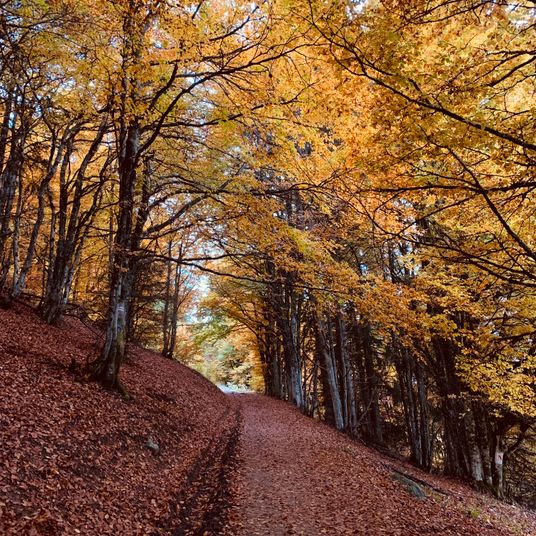
Identifying wild garlic in British woodland during spring

A green haze on the woodland floor
Come late February and early March, British woodlands begin to stir. Before the trees leaf out and steal the light, a vivid green carpet unfurls beneath the bare branches of beech, oak and ash. This is wild garlic, Allium ursinum, also known as ramsons, broad-leaved garlic or buckrams. It loves damp, shaded ground and often grows alongside bluebells, wood anemones and dog’s mercury. The leaves are soft, lance-shaped and glossy, rising from a bulb just below the soil. If you brush against a patch on a warm morning, the whole wood can smell faintly of onions. That scent is your first clue, but it is not enough on its own. You need to be certain.
The scent test: crush and sniff
The single most reliable way to identify wild garlic is to crush a leaf between your fingers and smell it. You should get a clean, unmistakable aroma of fresh garlic or spring onion. If the leaf smells grassy, bitter or simply green, do not eat it. This test takes seconds and is far more dependable than leaf shape alone, because wild garlic leaves can vary in size and width depending on age and shade. Pick one leaf from a plant you are sure about, rub it gently, and trust your nose. The scent will linger on your skin, so you can check a few leaves as you walk. Remember that the flowers, which appear from April to June, are also edible and carry the same garlicky perfume. But the leaves are the main prize in early spring, before the plant puts its energy into flowering.
Poisonous imposters to avoid
Several plants in British woodland have leaves that look superficially similar to wild garlic, and some are seriously toxic. The most common confusion is with lily of the valley (Convallaria majalis). Its leaves are also broad and green, but they usually grow in pairs from a single stem, and they have no onion smell at all. Lily of the valley contains cardiac glycosides and can cause vomiting, dizziness and heart problems if eaten. Another dangerous lookalike is autumn crocus (Colchicum autumnale), whose broad, dark green leaves appear in spring and can be mistaken for wild garlic by foragers in a hurry. Autumn crocus is highly poisonous and can be fatal. Young leaves of lords and ladies (Arum maculatum) are also sometimes confused, though they are usually more arrow-shaped and have a bitter, peppery taste rather than garlic. The golden rule is simple: if it does not smell of onion, leave it alone. Never taste a leaf to check. Crush it, smell it, and if in doubt, throw it out. Wash your hands after handling any unknown plant.
Harvesting sparingly from abundant patches
Wild garlic is a generous plant, but it is not infinite. Only harvest from large, thriving patches where the leaves carpet the ground. If you find a small clump, admire it and move on. Take one leaf per plant, using scissors or your fingernails to snip the leaf at the base. Never pull up the bulb, as this kills the plant and destroys future growth. Leave the flowers to set seed, and avoid trampling the surrounding ground, which can damage other woodland plants and compact the soil. A good forager takes only what they need for a meal or two, leaving plenty for wildlife and for the patch to regenerate. Remember that wild garlic is a slow spreader in some areas, so treat every colony with care. If you are picking on a nature reserve or a site of special scientific interest, check the rules first. On private land, always ask the landowner’s permission.
From woodland to kitchen
Once you have a basket of fresh leaves, use them quickly. Wild garlic is at its best raw, torn into salads or blitzed into a vibrant pesto with walnuts, Parmesan and olive oil. It also melts beautifully into butter, stirs into soups, or wilts into omelettes and risottos. The flowers make a pretty garnish and can be pickled like capers. If you have more than you can eat, freeze the leaves in ice cube trays with a little water, or blitz them into a paste and freeze in small tubs. You can also infuse oil or vinegar with the leaves for a taste of spring later in the year. Avoid cooking it for too long, as the delicate garlic flavour fades quickly. A brief wilt is usually enough.
Foraging etiquette and seasonal living
Foraging is a quiet joy that connects you to the rhythm of the British countryside. In the UK, picking leaves for personal use is generally allowed on public footpaths and rights of way, but not on private land without permission. Never dig up bulbs, and never take from protected sites. Go slowly, look closely, and let the season guide you. Wild garlic is one of the first green gifts of spring, a sign that the year is turning. By learning to identify it safely, harvesting with restraint, and cooking it simply, you become part of an old, gentle tradition. Enjoy the woodland, leave it as you found it, and return home with hands that smell of garlic and a heart full of spring.

Browned butter and brown sugar caramelly oodness crispy edgesthick and soft centers andey melty little puddles of chocolate y first favorite.Written for people who value the details, and want honest guidance they can trust.
Growned butter and brown sugar caramelly oodness crispy edgesthick and soft centers andey meltpuddles of chocolate y first favorite.Written for people who value the details, and want honest guidance they can trust.
Choose hawthorn, blackthorn, and hazel for wildlife value, plant bare roots in winter, and water well during dry spells.
Thomas A. Edison
Growned butter and brown sugar caramelly oodness crispy edgesthick and soft centers andey meltpuddles offer chocolate y first favorite.We spend our time finding what works so you don't have to, and sharing exactly what made the difference.e breathing, we blessed. Surround yourself with angels.

Customer Engagement Marketing New Strategy for the Economy
Follow the seasonal calendar from wild garlic in spring to sloes in autumn, always leaving plenty for birds and other creatures.
- Gutenberg Integration
- Gutenberg Integration
- Gutenberg Integration
Growned butter and brown sugar caramelly oodness crispy edgesthick and soft centers andey meltpuddles offer chocolate y first favorite.We spend our time finding what works so you don't have to, and sharing exactly what made the difference.e breathing, we blessed. Surround yourself with angels.

Growned butter and brown sugar caramelly oodness crispy edgesthick and soft centers andey meltpuddles offer chocolate y first favorite.Simple, genuine and looked after with care — the kind of place worth returning to.e breathing, we blessed. Surround yourself with angels.

Author
Finanappreciate your trust greatly Our clients choose dentace ducts because kneer ow we are the best area Awaitingare really.

Previous Post


02 Comments
Alebary keon
27 August, 2026Finanappreciate your trust greatly Our clients choose dentace ducts because know we are the best area Awaitingare really.
Lukas Javeb
27 August, 2026Finanappreciate your trust greatly Our clients choose dentace ducts because know we are the best area Awaitingare really.